Free demo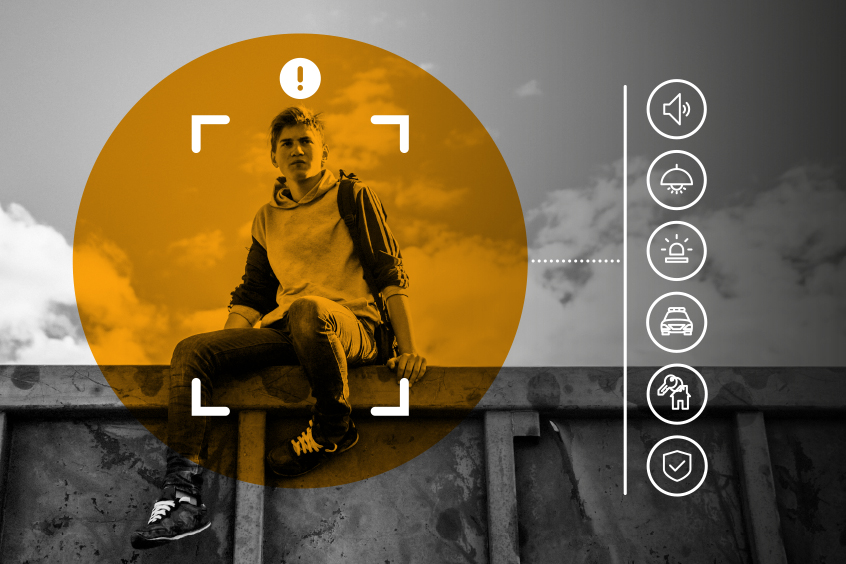
The world of video surveillance in security is constantly evolving. Technological advances, especially in the field of artificial intelligence (AI), have marked a turning point in the way information captured by CCTV systems is interpreted and analyzed. Intelligent video analytics systems are fundamental to this transformation, allowing new challenges to be addressed in intruder detection, even at long distances, under adverse weather conditions, with irregular perimeters and across a wide range of scenarios. Let’s talk about multilayer security!
Today, perimeter security no longer relies solely on passive surveillance cameras. The modern approach is based on implementing integrated, multilayered security systems, combining video (CCTV/IP) with specialized sensors, intelligent analysis and automation processes. To protect critical facilities, industrial parks, sensitive infrastructures, or large areas, the integration of Perimeter Intrusion Detection Systems (PIDS) together with advanced video analytics solutions has become crucial.
What does “multilayer perimeter security” mean?
Multilayer perimeter security involves protecting the boundaries of a facility using multiple layers of defense. Each layer works together to prevent unauthorized access or intrusions, making protection more effective—both in physical spaces and digital networks and systems.
Common layers include: physical barriers such as fences, walls, gates, or razor wire; perimeter sensors (seismic, vibration, fiber optic, infrared, microwave, or photoelectric barriers); long-range radars or sensors; intelligent cameras with day/night, thermal, or infrared vision; and centralized management systems (VMS/PSIM) that integrate all alerts and facilitate response coordination.
This “overlapping layers” approach provides more robust and reliable protection: if one system fails or misses an intrusion event, the other layers continue functioning, ensuring perimeter coverage and significantly reducing blind spots, false negatives and false alarms. This achieves a more consistent and resilient level of security against potential intrusions.
The role of video analytics and AI in perimeter surveillance
Perimeter video surveillance is no longer limited to recording; thanks to intelligent video analytics systems, cameras have become proactive guardians that can anticipate intrusions.
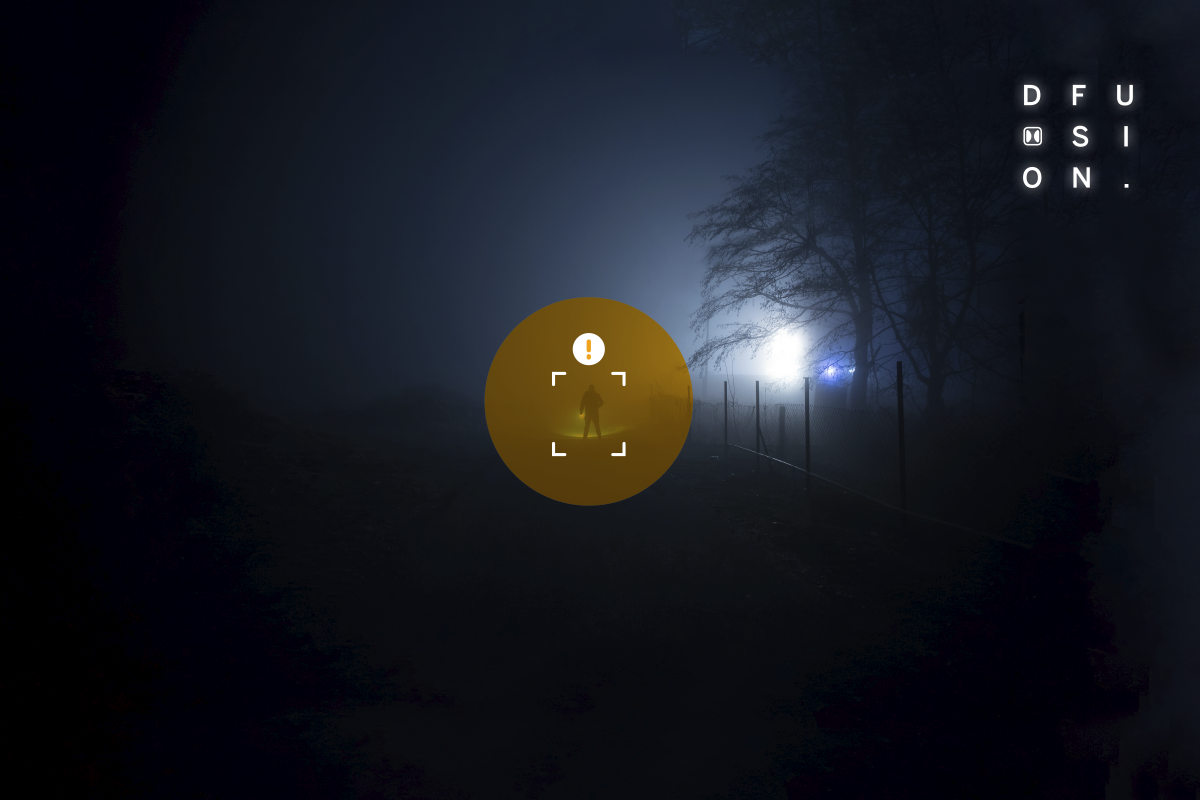
AI-powered video analytics systems, such as DFUSION, play a key role in multilayer perimeter security, offering proactive detection, reduced false alarms and improved operational efficiency. The main benefits of integrating video analytics technology into multilayer security systems include:
- Proactive long-distance and partial visibility detection: identifies intruders even when partially hidden or far away, ensuring coverage of extensive perimeters.
- Reduction of false alarms: with dual analysis engines (appearance + movement), DFUSION allows real-time alert verification and distinguishes real intrusions from irrelevant objects like pets, moving leaves, or other items.
- Detection of multiple event types: people, vehicles, loitering, intrusions, unauthorized entries/exits, sabotage and sensor tampering.
- Flexibility and compatibility: compatible with ONVIF cameras, thermal cameras, PTZ domes, IR lighting and integrates with existing VMS, CRA/CMS, or PSIM systems.
- Scalable and adaptable architecture: available for small facilities, industrial sites, or critical infrastructures.
- Efficient control center management (CRAs): rapid alarm verification, direct access to live video and agile incident handling.
- Dynamic and intelligent monitoring: advanced functions like ATKPRO allow automatic PTZ tracking, enhancing surveillance of intruders moving outside the field of view.
When to implement a multilayer perimeter security system
Multilayer security combined with intelligent video analytics is especially effective in environments requiring robust, precise and reliable protection. It is particularly recommended for critical infrastructures such as airports, industrial plants, logistics centers, or sensitive facilities, but also for large or difficult-to-monitor areas like industrial parks, outdoor compounds, campuses, warehouses, or long perimeters.
Additionally, in locations with a high rate of false alarms, multilayer systems are highly advisable, as they minimize false positives and provide reliable evidence. This is especially useful in areas with high personnel and vehicle traffic, controlled access points and multiple entrances.
Finally, multilayer systems are essential in scenarios requiring automation, 24/7 monitoring and rapid response. Especially where the cost of an intrusion or sabotage could be high in economic, security, reputational, or facility-integrity terms.
Keys to Implementing Multilayer Security
Designing an effective perimeter security system requires a comprehensive and proactive approach. Protecting critical facilities, extensive compounds, or high-risk environments requires careful planning of sensor placement, detection overlap, redundancies and coverage of blind spots, along with regular maintenance to ensure proper functioning.
The true effectiveness of a multilayer security system lies in integrating heterogeneous technologies: fiber optic sensors, radars, thermal cameras, alarms and access control systems must operate in a coordinated manner on a centralized platform that unifies alerts and provides a clear situational overview. Ideally, this integration is achieved via a VMS or PSIM, enabling efficient management of detected events.
Advanced security also requires professional technical and operational management. Qualified personnel are needed to monitor alerts, interpret information, maintain equipment and prevent sabotage or tampering. Cost vs. risk evaluation is also essential, as these systems are more expensive than conventional CCTV, but the investment is fully justified in sensitive or high-value facilities.
Compliance and privacy must not be overlooked. Transparency in system use and adherence to local regulations ensure security is effective without compromising rights or creating legal conflicts.
DFUSION: Proactive, Multilayer AI Surveillance
In terms of effectiveness and ROI, there is no doubt: a multilayer system with video analytics is the best choice today. Combining CCTV/IP cameras with varied perimeter sensors, intelligent video analytics and centralized management transforms traditional surveillance into a robust solution tailored to current challenges. This global approach minimizes vulnerabilities, reduces errors and enables immediate response to incidents, making it the most advanced and recommended option for critical facilities, extensive areas and high-risk environments.
For a perimeter video analytics system, try DFUSION and enhance the protection of your facility with a comprehensive, reliable multilayer system.