Free demo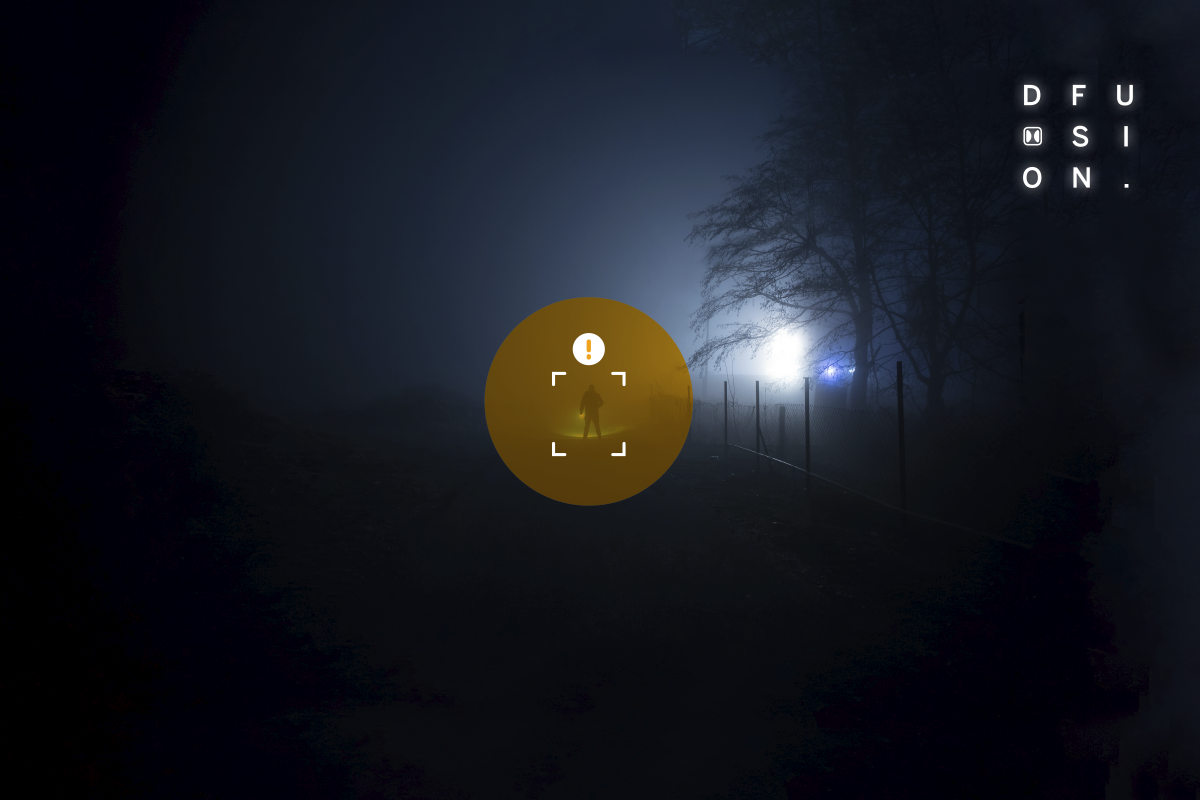
The bigger the perimeter, the further your system needs to “see” to give you real reaction time. And that’s exactly where most video surveillance systems stop being reliable: not because the zoom can’t physically reach that far, but because at that distance they can no longer reliably tell what’s actually moving.
Why distance is where conventional systems break down
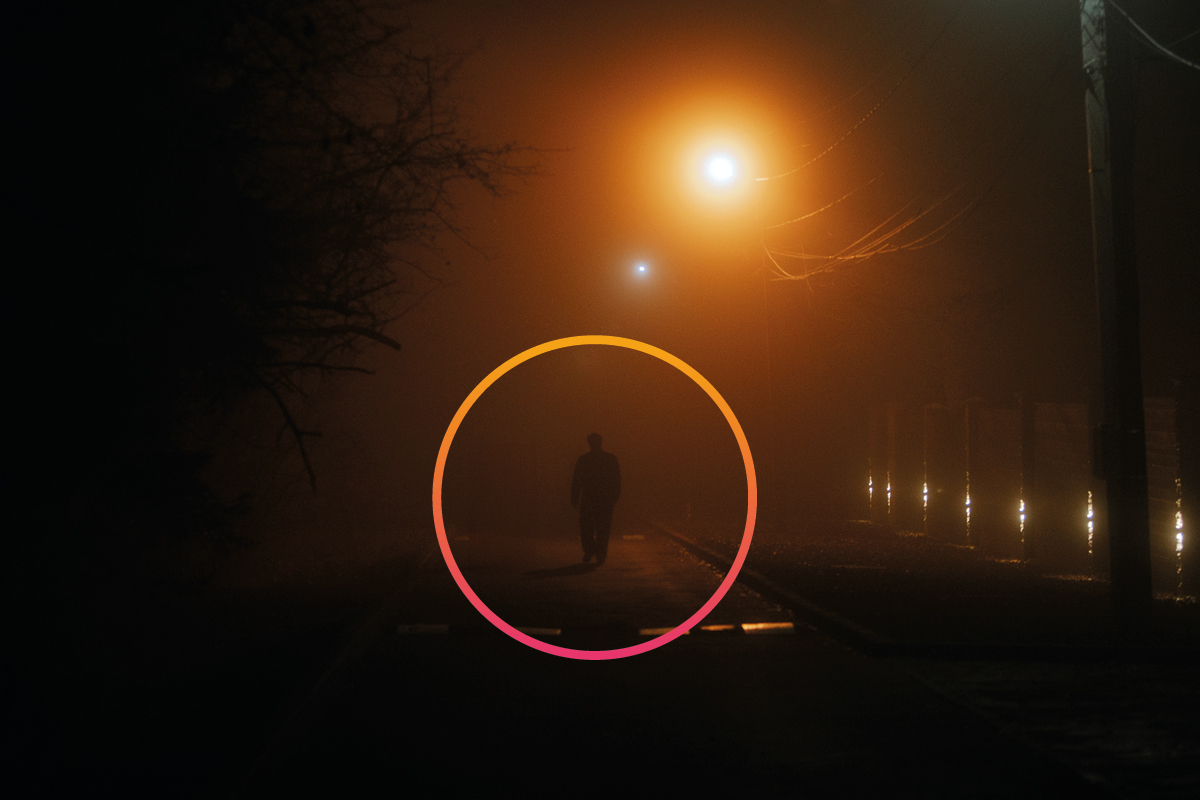
A basic motion detection system works reasonably well close to the camera, where a person takes up a large number of pixels in the image. At 100, 200, or 300 meters, that same person might take up just a handful of pixels, mixed in with vegetation, shadows, or backlight at sunrise. The algorithm has far less information to decide whether what it’s seeing is a threat or not.
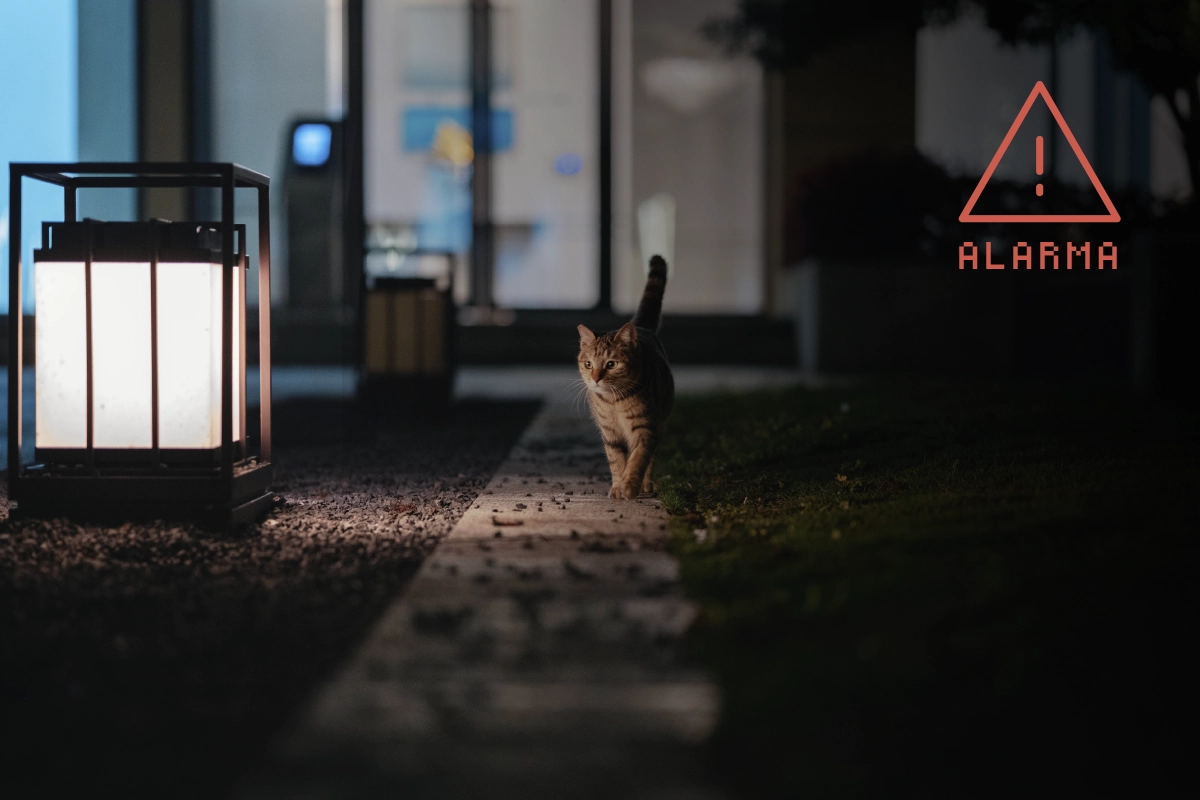
The result usually goes one of two ways, and neither is good: either sensitivity gets pushed up and the system fires constant alarms at any distant movement, or it gets turned down to cut the noise, letting real intrusions through because it can’t “see” them clearly enough.
What changes with appearance-based classification, not just motion
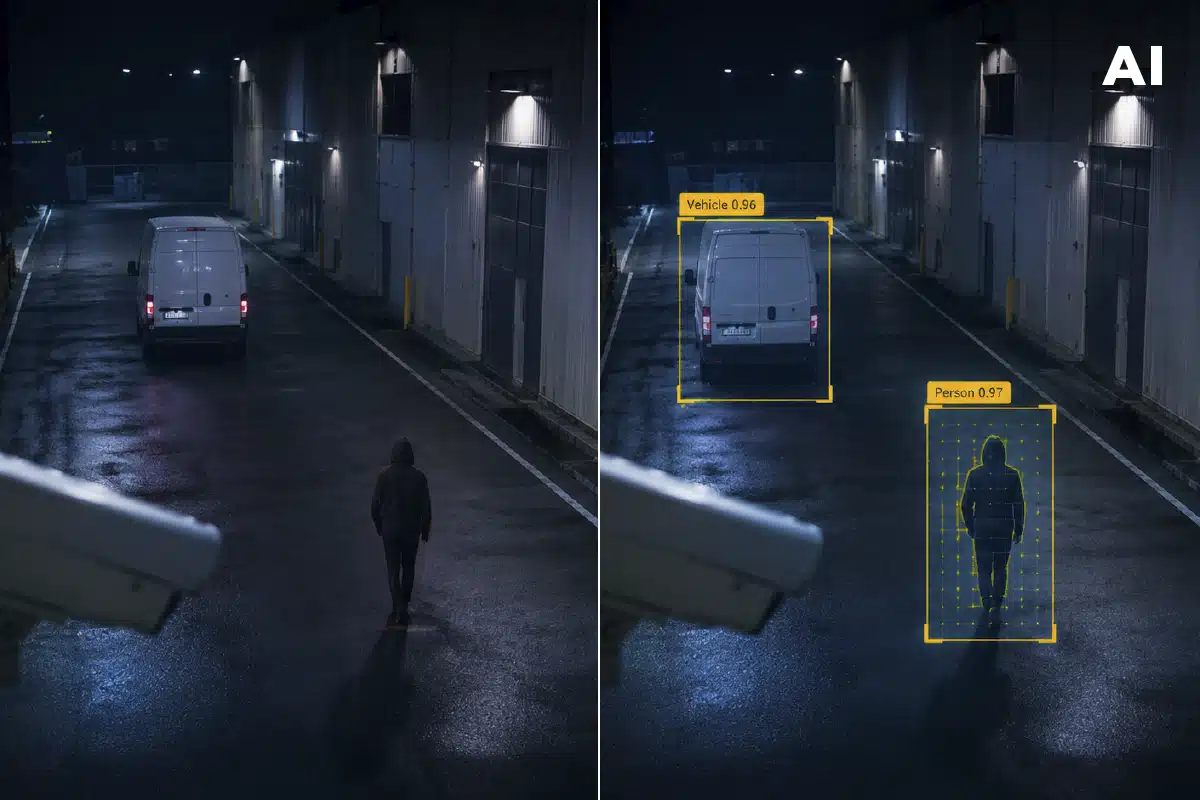
The real difference isn’t in the camera’s focal length, it’s in what the system analyzes once it picks up movement. A system that only detects pixel changes can’t tell whether something moving at 250 meters is a person, an animal, or a branch. One that classifies by appearance and behavior, shape, size, movement pattern, can, even with very little pixel information, because it compares the object against a model trained specifically to tell people and vehicles apart from everything else.
Combining this with thermal vision helps especially in the conditions where distance gets hardest: at night, in fog, or against backlight, an optical camera loses sharpness, but a thermal camera keeps detecting the temperature difference between a person and their surroundings, even when the visible image is no longer clear. It’s common to combine both types on perimeter stretches where distance and low visibility overlap.
The cost of detecting too late
On a short perimeter, a few seconds of reaction time can be enough. On a large one, an industrial plant, an airport, an energy facility, that margin is the time it takes an operator to verify the alarm, decide if it’s real, and alert whoever needs to respond physically. If detection only happens once the intruder is already 20 meters from the camera, that margin all but disappears. Detecting reliably at 200 or 300 meters isn’t a cosmetic improvement: it’s the difference between being able to act and finding out too late.
What to ask before trusting a “long-distance detection” claim
Not every system that advertises long-distance detection delivers it with the same reliability. Before trusting a range figure, it’s worth asking:
- At what distance does appearance-based classification (person/vehicle) hold up, and beyond what point does the system fall back to generic motion detection?
- What false alarm rate does the provider document specifically for the farthest stretches of the perimeter, not the overall average?
- Does detection at that distance hold up at night, in fog, or in rain, or only in ideal visibility conditions?
- Does the system combine thermal and optical vision, or does it rely on a single camera type for the whole range?
A provider that can’t answer these questions with concrete figures is probably talking about the optical range of the zoom, not the actual distance at which the system reliably detects.
FAQ
Why do video surveillance systems lose reliability at long distances?
Because at greater distances, a person occupies far fewer pixels in the image, and a system that only detects pixel changes doesn’t have enough information to tell them apart from vegetation, shadows, or wildlife.
What sets apart a system that’s reliable at long distances?
It classifies by the object’s appearance and behavior, not just motion, which lets it tell people and vehicles apart even when they occupy very few pixels in the image.
Does thermal vision help with long-distance detection?
Yes, especially at night, in fog, or against backlight, when an optical camera loses sharpness but a thermal camera keeps detecting the temperature difference between a person and their surroundings.
What should I ask a provider about their detection range?
At what distance appearance-based classification holds up, what false alarm rate they document on the farthest stretches, whether detection holds up in bad weather or low light, and whether they combine thermal and optical vision.
Why does reaction margin matter so much on large perimeters?
Because on large sites, if detection only happens once the intruder is very close to the camera, the time available to verify the alarm and respond physically disappears.
If your perimeter has long stretches and you want to know at what real distance your installation would detect a person or a vehicle, a DAVANTIS engineer can analyze it using data from your own site. Book a free demo and we’ll look at your case.