Free demo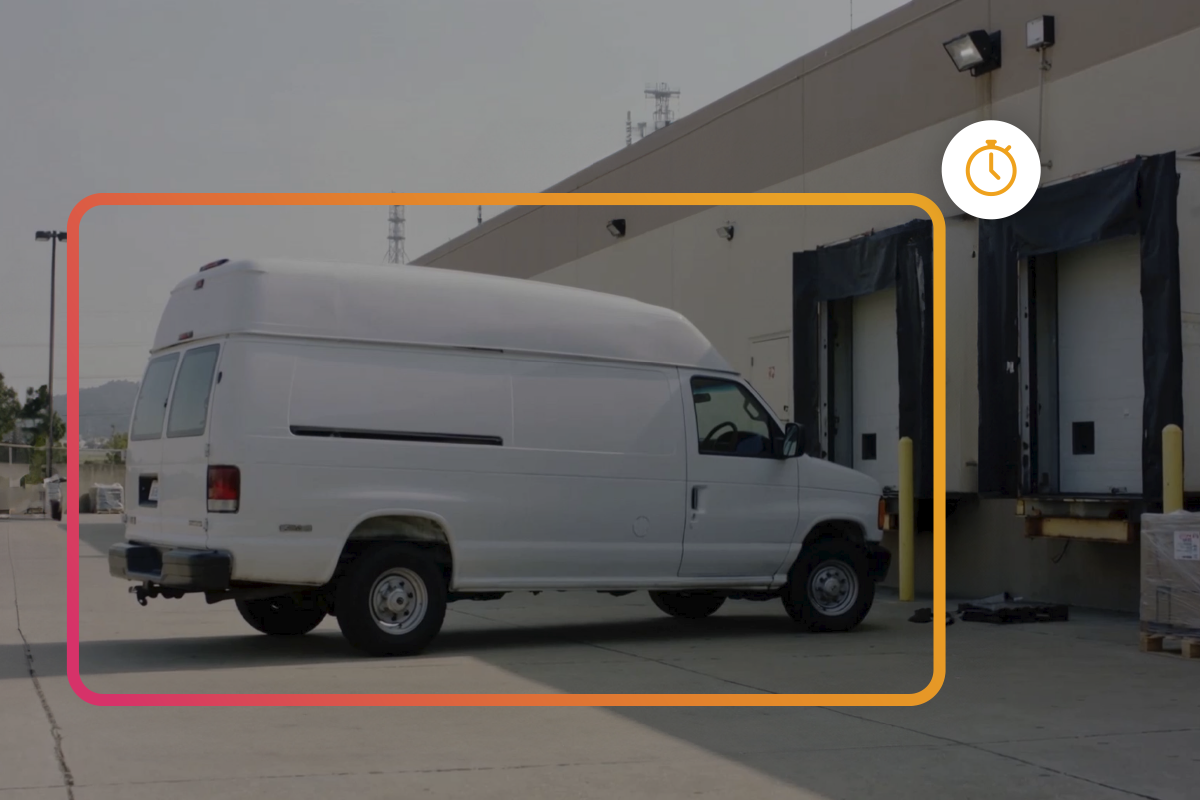
In logistics centres, driver supervision during loading and unloading operations is a critical safety priority. By law, drivers must leave the cab and remain in a designated safety zone throughout the entire process. This obligation not only applies to each company’s internal protocols, but also to Occupational Health and Safety (OHS) legislation and international standards such as ISO 45001.
However, ensuring real-time compliance with this rule is a genuine operational challenge. Loading dock areas are dynamic environments, with vehicles, machinery and personnel moving simultaneously. Without an automated supervision system, protocol breaches can go unnoticed until it is too late.
Safety Challenges in Logistics Operations
Loading and unloading operations present multiple risks when driver presence is not properly monitored. The most common include:
- Driver entrapment when the safety zone is not respected.
- Goods falling during handling.
- Accidental vehicle movement, which can cause serious injury.
- Accidents with machinery, such as forklifts.
- Regulatory non-compliance, which can lead to sanctions and fines.
Furthermore, these incidents not only create risks for people: they also cause operational downtime, loss of time and a direct impact on the logistics centre’s reputation.
Automatic Driver Supervision in Logistics with DFUSION /3
To minimise these risks, DFUSION /3 uses Super Rules: a combined rule system that integrates different variables and sources of information. In this way, it is possible to monitor complex behaviours and generate alerts only when a real risk exists, thus avoiding false alarms.
What can Super Rules define?
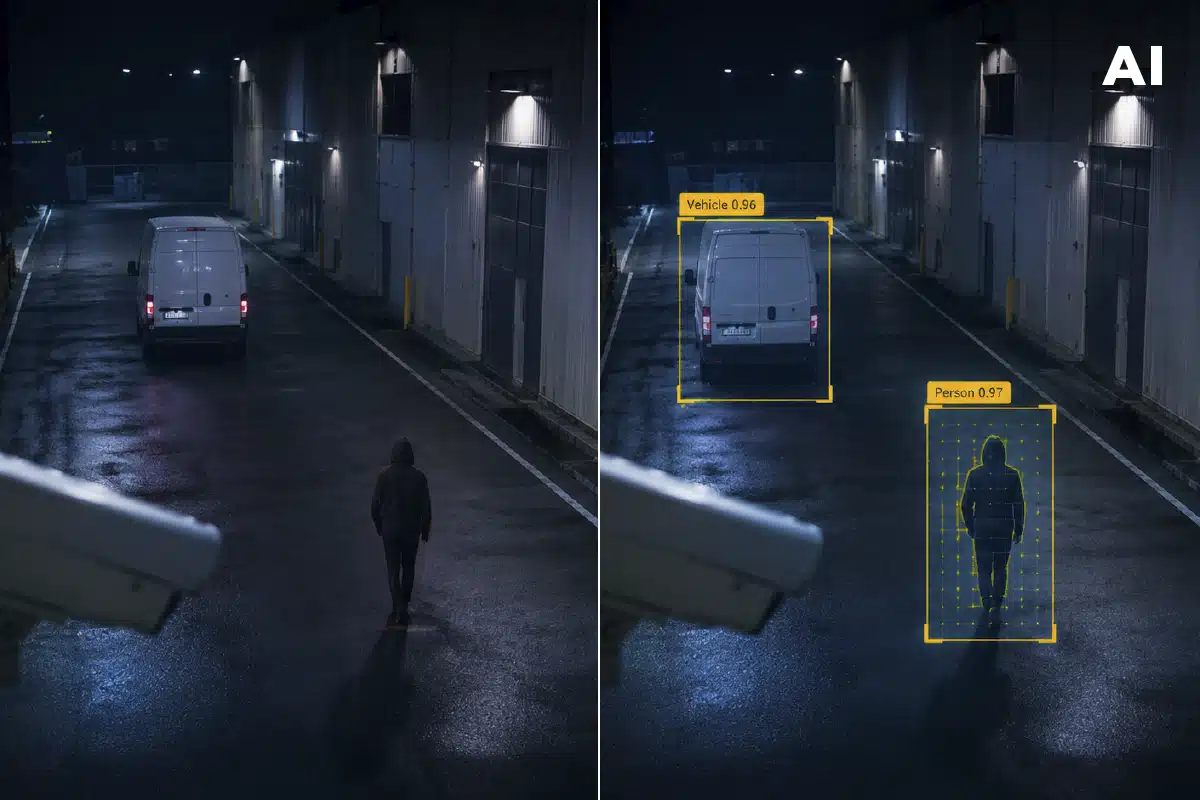
Vehicle detection: identifies whether a lorry is present at the dock.
Active process detection: detects when loading or unloading is active, synchronised with time and context.
Person detection: identifies the driver’s presence in real time.
Geofencing: precisely defines safe zones and risk zones (dock or vehicle area).
Time rule: if the driver is NOT in the safe zone for a set period, the system automatically triggers an alert.
Advantages of DFUSION /3 in Driver Supervision
Unlike traditional surveillance systems, DFUSION /3 is not limited to alerting on isolated incidents. On the contrary, it combines multiple conditions to detect real risk situations, adapted to the operational context of each dock. As a result, the system detects protocol breaches and actively ensures driver safety.
- Multi-source fusion: camera vision, operational context and combined rules.
- Maximum detection: avoids false alarms from momentary movements.
- Precise zone geolocation: allows definition of docks, loading areas and restricted zones.
- Reduction of false positives: the system interprets the operational context before alerting.
In short, driver supervision in logistics centres no longer relies solely on human monitoring. With DFUSION /3, any centre can automate safety zone control, reduce accidents and guarantee regulatory compliance in real time. Request a personalised demo and find out how to protect your drivers.